Dr. Lisa
  • Questions?
  • Psychology Today Blogs
  • Kids Can See Ghosts Can You?
  • October Ghost Stories
  • YouTube
  • Publishings
  • Who Am I?
  • Talk To Me
Welcome To My Blog

Q31: Red Flag Relationship Series, Part I: Are You A Red Flag in Relationships?

7/7/2023

0 Comments

 
Picture
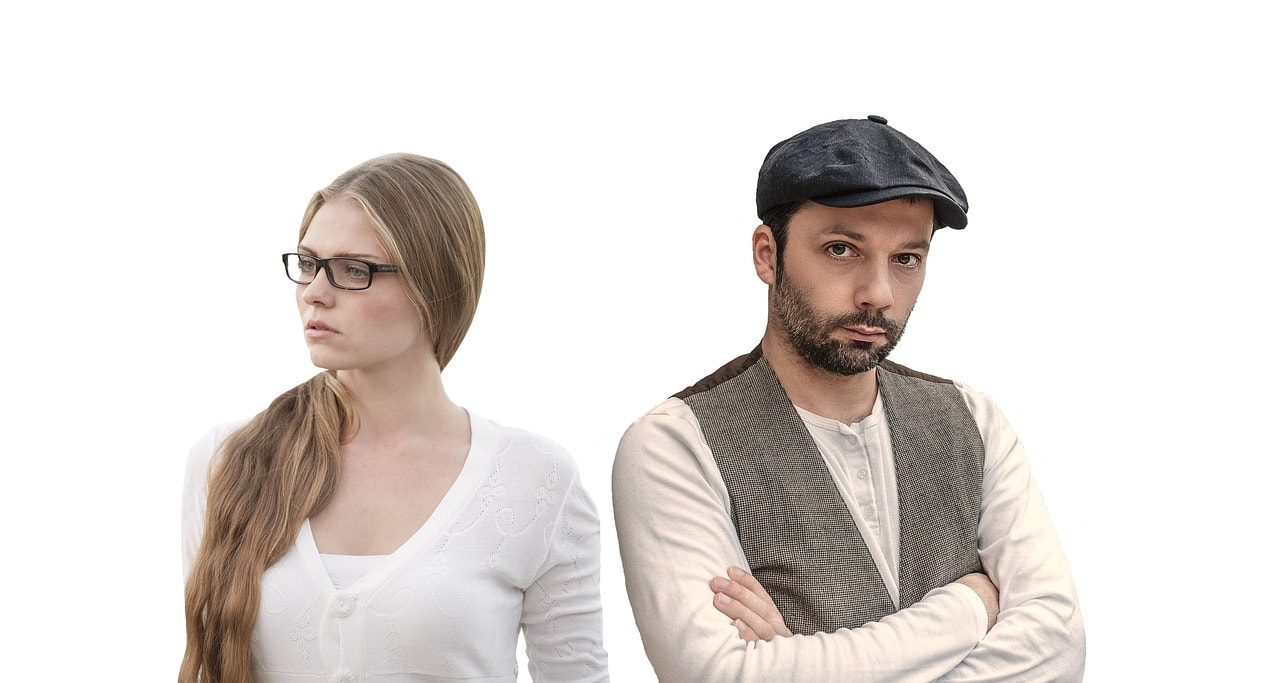
Image by Tumisu from Pixabay
Red Flag Relationship Series, Part I
Why Are You A Red Flag In Relationships?

Choosing the wrong person in relationships can happen for various reasons; however, problems occur when we do not learn from our mistakes and repeat the same cycle in relationships. If you find yourself encountering the same problems relationships, then you need to stop and think,

Is it me?

Or, is it always something wrong with everyone else? Answer: No, it is you. Your negative relationship patterns may be happening due to unresolved personal issues, communication and conflict resolution problems, low self-esteem and self-worth, lack of self-awareness and experience, pressure to conform to societal standards, using unhealthy emotional patterns, and not being emotional availability. If you fall into one of these categories, then YOU are a Red Flag in relationships. Lets explore why you are a red flag in your relationships:

  • Unresolved Personal Issues:
We can be our biggest problem! We have our own unresolved issues, (i..e., past traumas, low self-esteem), which influence our relationships and keeps us cycling in the same unhealthy patterns. Then, we attract what we want to receive and get partners who reinforce familiar negative dynamics. If you're not fully aware of your own needs, values, and boundaries, it becomes difficult to choose a partner who aligns with them
  • Communication and Conflict Resolution
Effective communication and conflict resolution skills are crucial for healthy relationships. If you struggle with expressing your needs, listening actively, or managing conflicts constructively, it can lead to misunderstandings, tension, and unhealthy dynamics
  • Low Self-Esteem and Self-Worth
Low self-esteem can have a significant impact on various aspects of your life, including relationships. It can influence the way you perceive yourself, your worth, and your abilities, which can, in turn, affect the choices you make in partners and the dynamics within your relationships. If you have low self-worth and struggle with feelings of inadequacy, it can affect your behavior and how you interact with others. It might lead to seeking validation or attention, being overly self-critical, or having difficulty setting and maintaining healthy boundaries
  • Lack of Self-Awareness and Experience
Developing self-awareness and understanding your own desires and deal-breakers can help you make better choices. You may still be figuring out what works for you and what does not which can take time and a few missteps to understand your preferences and make better choices in partners
  • Pressure to Conform
Pressure from family and friends, can sometimes play a role in our partner choices. These influences may lead us to prioritize superficial qualities or overlook important compatibility factors
  • Unhealthy Emotional Patterns
​Sometimes, we can be drawn to partners who replicate dynamics from past relationships, particularly if those dynamics were unhealthy. This can be due to subconscious familiarity or an attempt to "fix" or change the outcome of previous experiences
  • Emotional Availability
Being emotionally available means being open to forming emotional connections, sharing vulnerabilities, and providing support to your partner. If you struggle with emotional intimacy or have difficulty expressing and recognizing emotions, it can create challenges in building and maintaining fulfilling relationships

I share this with my personal friends: "A relationship is only as healthy as the two people in it."

How To Stop Being a Red Flag in Relationships

Consider the following steps:
  • Stay Single
    • Taking a break from relationships can positively impact your mental health. It's ok to be by yourself because it provides an opportunity for self-reflection and self-discovery
    • It allows you to focus on your own interests, goals, and values without the distractions or compromises that can come with a relationship. It grants you more time and energy to focus on self-care and well-being
 
  • Self-reflection
    • Take time to reflect on your past relationships and identify any patterns or recurring issues. Understand your own needs, values, and goals in a relationship
 
  • Work on self-improvement
    • Focus on personal growth, building self-esteem, and addressing any unresolved issues. This can involve therapy, self-help resources, or seeking support from trusted individuals
 
  • Set clear boundaries
    • Establish and communicate your boundaries early on in a relationship. Learn to recognize and address red flags when they arise
 
  • Take it slow
    • Avoid rushing into relationships and allow time to get to know potential partners before committing
    • Take the time to observe and learn your behavior patterns, values, and compatibility with others
 
  • Seek support
    • Consider seeking guidance from a therapist or counselor who can help you navigate your relationship patterns and make healthier choices

No Relationship is Perfect
It's important to remember that no relationship is perfect, and people can exhibit occasional negative behaviors. However, if you consistently notice multiple red flags or a pattern of concerning behavior within yourself, it may be necessary to reassess your relationships and prioritize your well-being. 

Making mistakes in relationships is a part of the learning process. By understanding yourself better, working on personal growth, and seeking support when needed, you can decrease your red flag behavior and increase your chances of making more fulfilling and healthier choices in the future. It's important to remember that recognizing these aspects does not make you inherently flawed or unworthy of love. Flaws are a natural part of being human, and they don't define our inherent worth or value as individuals. Each person is unique, with their own strengths, weaknesses, and areas for growth.

It's important to embrace your imperfections and recognize that they don't diminish your worth. We all have room for personal growth, and acknowledging and working on our flaws is a part of that journey. Your worth and value are not determined by any perceived flaws or shortcomings, but rather by your inherent humanity and the way you treat yourself and others. Treat yourself better to improve your relationships!

0 Comments


Leave a Reply.

  • Questions?
  • Psychology Today Blogs
  • Kids Can See Ghosts Can You?
  • October Ghost Stories
  • YouTube
  • Publishings
  • Who Am I?
  • Talk To Me