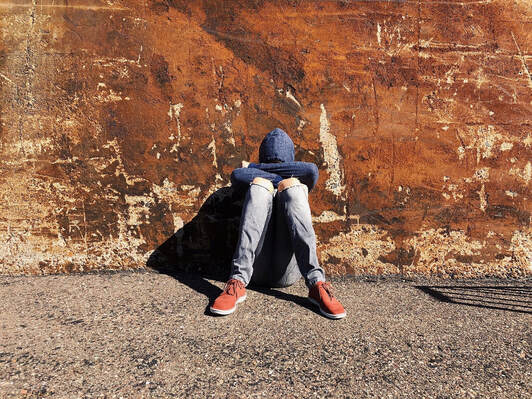
 Image by Wokandapix from Pixabay Image by Wokandapix from Pixabay
Teen Self-Harm
One of the 1st things that psychologists should admit to themselves is that we are human. Some things that we hear from clients can make us emotional. I feel that way when I encounter teens who self-harm. I was watching "Ginny and Georgia" on Netflix, and my heart sank watching the pain that Ginny felt to the point of burning her inner thighs with a lighter. Ginny cried out for help so many times that it made me want to reach through the television, grab her, and hold her for a very long time. Most of us cannot imagine inflicting that type of pain onto our bodies, but millions of teens self-harm. A teen's experience is different and their reasons for self-harm varies. Let's explore some of the reason why teens cut their bodies to make scars, scratches, and marks on it with sharp objects. This is a serious issue. It is dangerous. It can become a habit. It is emotional distress and feelings of overwhelming pain. Emotional Pain Trauma, pressure, and other types of feelings can become deeply rooted in teens causing them to want a way out of them emotionally. Self-harm becomes addicting, and it is difficult to stop the behavior. Many teens continue to self-harm although they know it is dangerous. Self-harm momentarily interrupts their overwhelming feelings by stopping the pain. Parents and guardians may be unaware of the deep-rooted pain that their teen endures until they learn of the self-harm. Impulse Teens in significant distress need an outlet. Self-injury usually begins as an impulse that becomes a repetitive behavior. More than likely, it has been happening for a long time. Why? It is relief from their emotions and once the frequency of cutting increases, it becomes a habit and difficult to stop. When they self-harm and feel better due to the temporary relief from their emotions, it becomes self-reinforcing. The more they cut, it becomes addicting due to the increase in endorphines or "feel good" hormones which happens when they self-harm. Eventually the brain shifts into thinking the sense of relief is rewarding - no negative or bad feelings. 
Trauma
I always say, trauma is the root of all significant emotional problems. We do not discuss trauma enough, and its effects on mental health. It causes so many mental health symptoms, and it takes a lot of work to learn to cope with traumatic feelings. Trauma can make teens feel emotionally numb with self-harm waking them up from the numbness. Teens take control over their emotions via self-harm and it provides them with a sense of relief, even temporarily, from the pain. In other words, teens take charge of the pain and self-harm soothes them by stopping the pain. Think of it this way, they know where the pain is coming from when it is self-inflicted. Self-harm distracts them from the deep rooted feelings. Think about Ginny from Ginny & Georgia on Netflix. When Ginny burned herself, you could see her stop the emotional reaction from her pain. For that moment, she felt better while she looked down at her would. Viewing the site of the self-harm shows them the location of the pain. The pain is no longer mysterious (in their heads). Teens who self-harmed said to me, "I don't feel the razor cutting me." "I am numb to the cutting." "I just don't want to feel the pain." Suicide Most parents and caregivers want to know, is this a suicide attempt? To answer you directly, no. However, you must keep in mind that this can get serious quickly because they can get sick, bleed, and cause themselves other physical health problems. If they tell you that they want to harm themselves, you heavily question it and take immediate action with an emergency room, your pediatrician, psychologist, or psychiatrist. Do not hesitate! Mental Health Now that you have more insight into self-harm, what do you do about it?
0 Comments
Leave a Reply. |